

Once-upon-a-time all food was organic. Over centuries, farming shaped the European landscape, local communities, economy and cultures. Even a hundred years ago, the European countryside was dotted with small farms, and many houses in urban areas had vegetable gardens known as “burgages” at the back of their houses. The food in this painting was safe to eat, tasty, often blemished but needed no special label to say that was all the above and sold at a competitive price. It also had no plastic packaging, you’d meet the grower and you’d know that you were supporting the local community by not incurring hugely polluting transportation costs. A final flourish to this ecosystem was your regional cooking would have been beautifully attuned to being seasonal and gave pride and noteriety within the fabric of the local community for being a speciality.
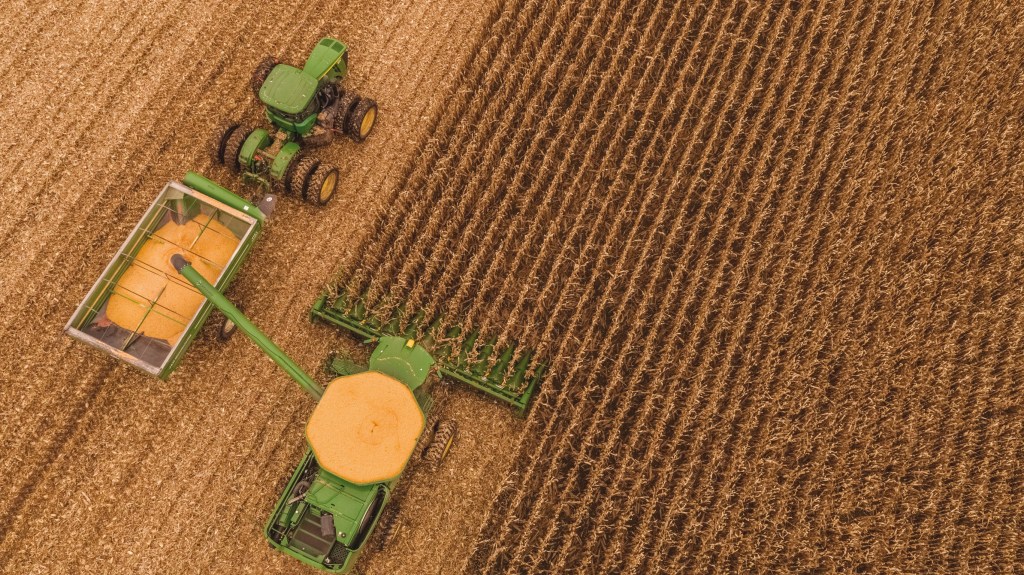
Conventional Agriculture is an Oxymoron
It’s also called “traditional”, which is an outrageous claim. Whatever it’s called it’s concerned only about profit and often faces criticism for its lack of sustainability due to several factors:
Loss of Natural Habitats: Large-scale monoculture farming often requires clearing forests and other natural habitats, leading to habitat destruction and loss of biodiversity.
Water Scarcity: Vast amounts of water are consumed, often leading to aquifer depletion and water scarcity in many regions.
Environmental Impact: Intensive farming practices often lead to soil erosion, depletion of nutrients, water pollution from chemical fertilizers and pesticides, and loss of biodiversity. Monocropping, in particular, can deplete soil fertility and increase susceptibility to pests and diseases.
Resource Depletion: Modern agriculture heavily relies on finite resources such as fossil fuels for machinery, synthetic fertilizers, and pesticides. The overuse of these inputs leads to energy depletion and contributes to climate change through greenhouse gas emissions.
Back To Our Roots
Agroforestry systems offer a more sustainable alternative with trees and shrubs incorporated into agricultural landscapes, offering a range of environmental, economic, and social benefits:
Biodiversity: To promote biodiversity by providing habitat for a variety of plant and animal species. The diverse vegetation enhances soil health and supports beneficial insects for natural pest control.
Soil Health: Trees and perennial crops in agroforestry systems help improve soil structure, prevent erosion, and enhance nutrient cycling. The deep-rooted trees can access nutrients from deeper soil layers and bring them to the surface through leaf litter.
Climate Change Mitigation: Good farming practices can contribute to climate change mitigation by sequestering carbon dioxide in biomass and soil organic matter. Trees store carbon in their biomass and promote carbon sequestration in the soil through root systems and organic matter.
Water Management: There can be improvements in water management by reducing runoff, increasing water infiltration, and minimizing soil erosion. Trees can also moderate microclimates, reduce water stress on crops and enhance overall water use efficiency.
Diversification and Resilience: Agroforestry diversifies farm income streams by incorporating multiple crops and products. This adaptability can enhance resilience to climate variability, market fluctuations, and pest outbreaks. What’s not to love?

Back To The Future
Transitioning to agroforestry systems involves:
Education and Training: Farmers need access to education and training programs to learn about the benefits and practices of a new/old way in regenerative farming . Extension services, agricultural universities, and NGOs can play a crucial role in providing technical assistance and capacity-building support.
Policy Support: Governments can encourage the adoption of agroforestry through policy measures such as subsidies, tax incentives, and regulations that promote sustainable land use practices.
Research and Innovation: Continued research and innovation are essential to develop and adapt regenerative practices to different agroecological contexts. Research institutions, universities, and private sector actors can collaborate to develop new agroforestry techniques, crop varieties, and value chains.
Market Access: Developing markets for eco-friendly products are crucial, establishing certification schemes, and promoting consumer awareness can help create demand for sustainably produced goods.
We need to rediscover our “roots” in transitioning to regenerative systems, look back in order to move once again forwards and use a holistic approach that addresses technical, policy, and market challenges while promoting environmental sustainability and rural development.
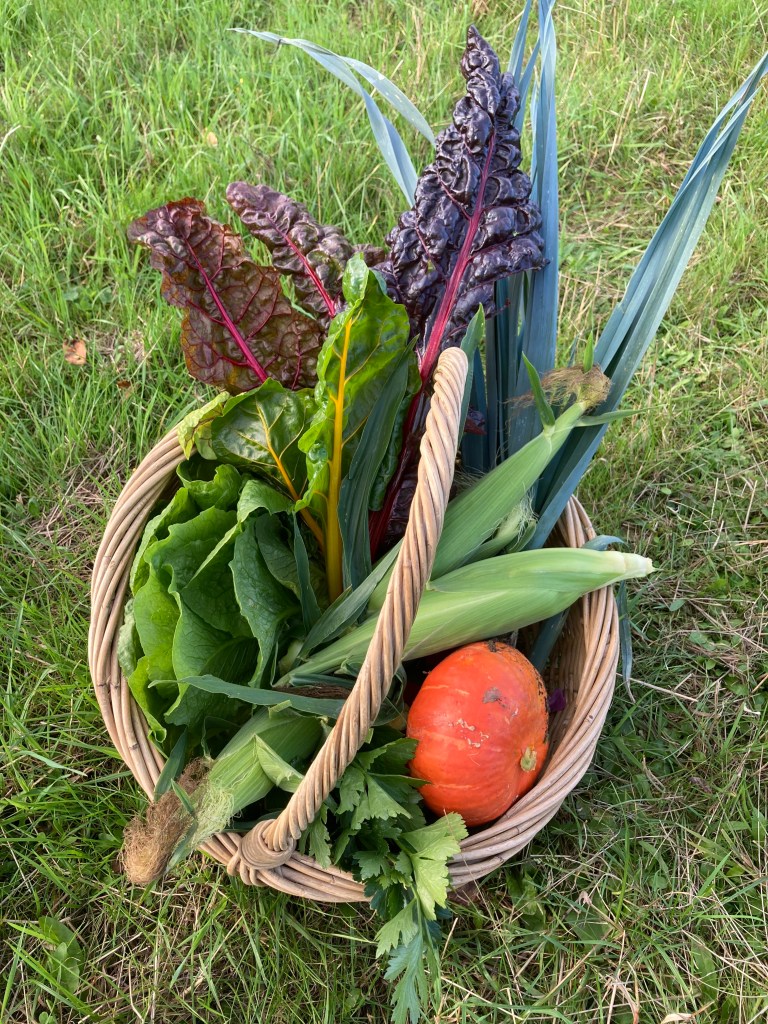
And let’s not forget the flavour of our food!
 Duemosegaard
This excellent essay underscrores why we must make a radical effort to change the way we grow our food.
Ross Jackson
LikeLike